- Press Office
- Press releases
- Vanished Without a Trace
Vanished Without a Trace: No Organic Carbon Fingerprint Left by Antarctic Shelf Processes
How Antarctic waters carry carbon into the deep ocean
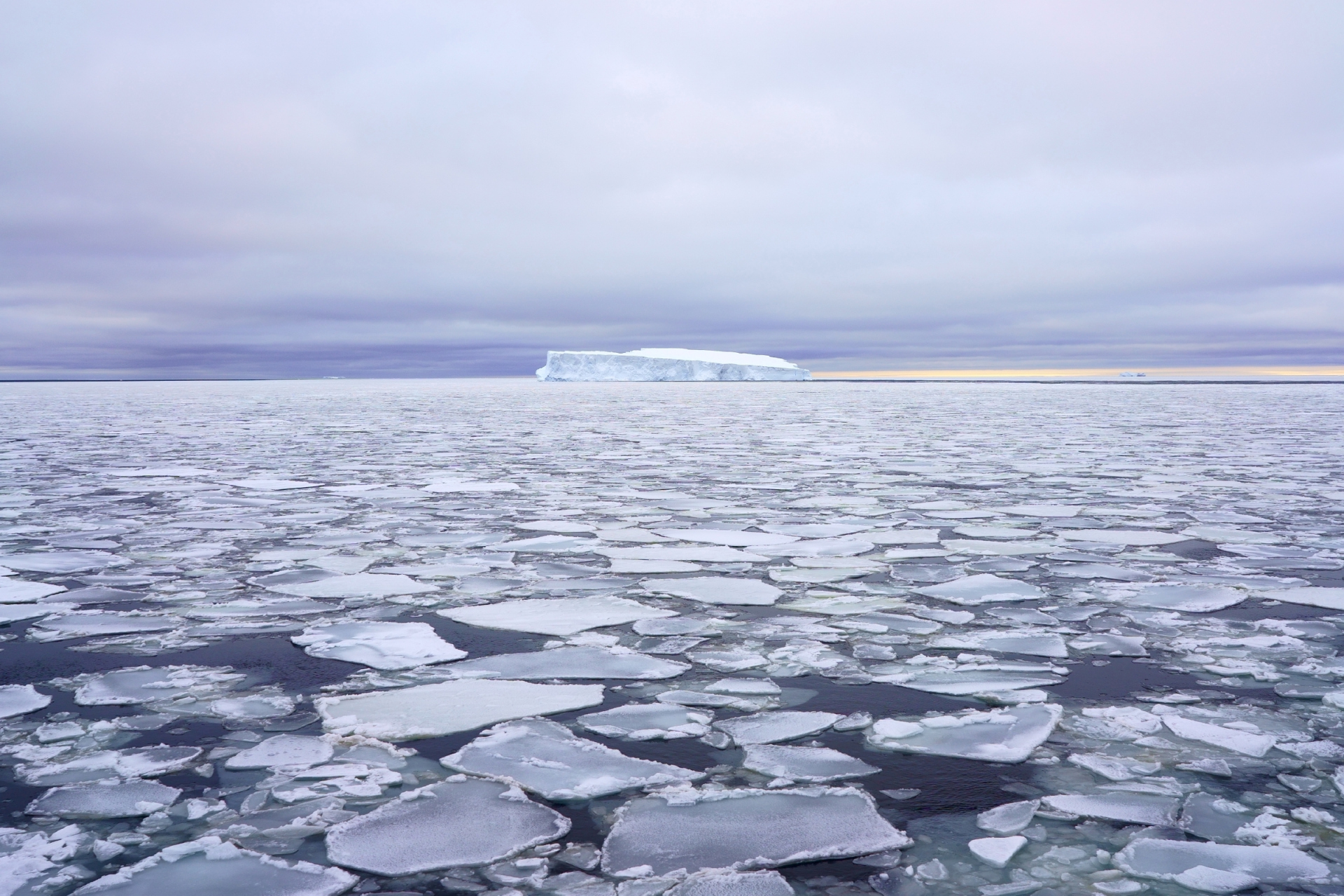
Ocean currents move water around the globe in a vast circulation system. The Antarctic continental shelf plays an important part in this process. Deep water arriving from the north rises onto the shelf, where extreme cold and the formation of sea ice make it denser. This heavy water then sinks into the deep ocean, helping to form Antarctic bottom water, the coldest, densest and one of the most voluminous water masses in the world's oceans.
As the water crosses the shelf, it encounters abundant marine life and active biological processes. Researchers wanted to know whether these processes change the carbon carried by the water before it sinksinto the deep ocean. The answer matters because rising temperatures and declining sea ice could alter how the Southern Ocean stores and transports carbon.
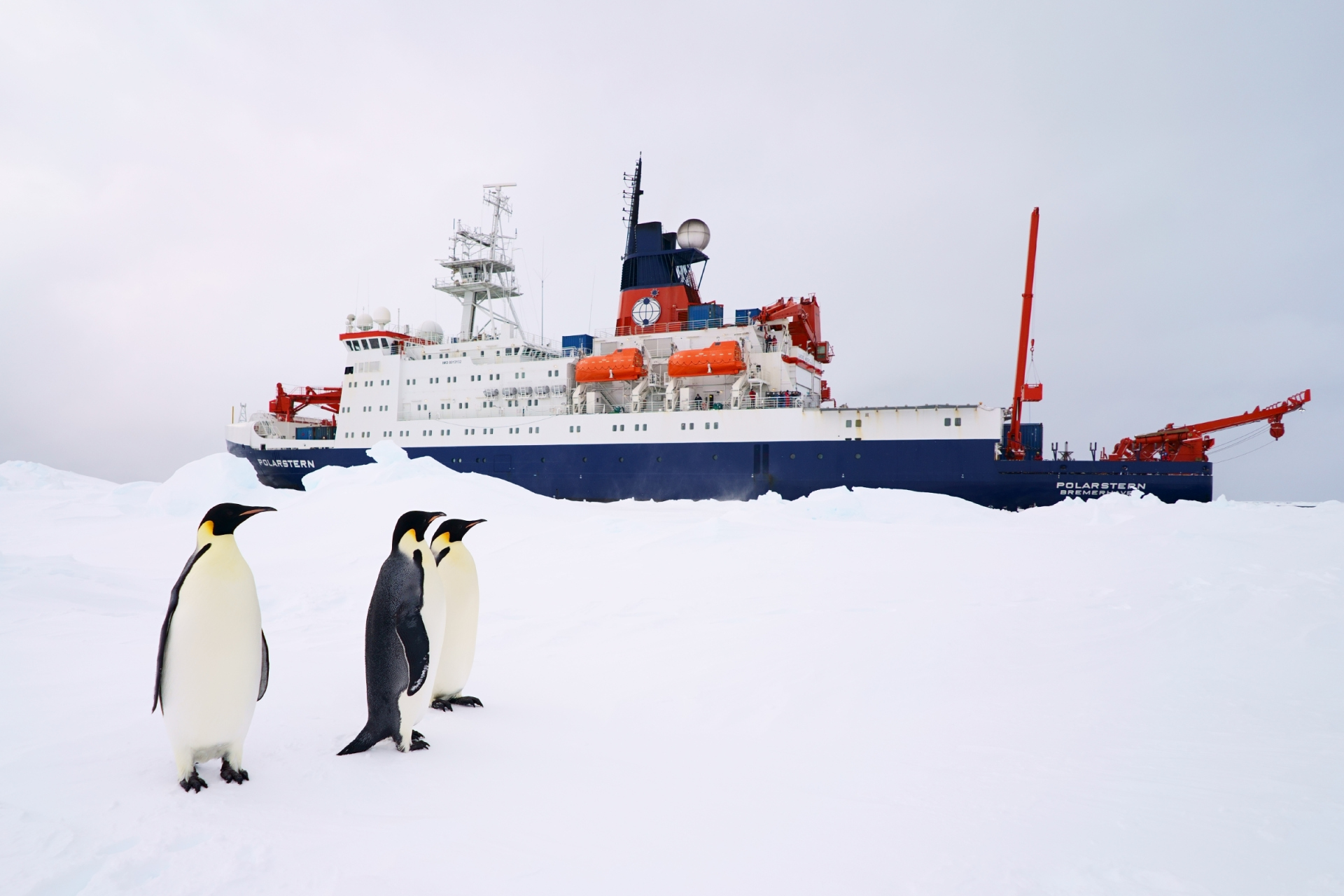
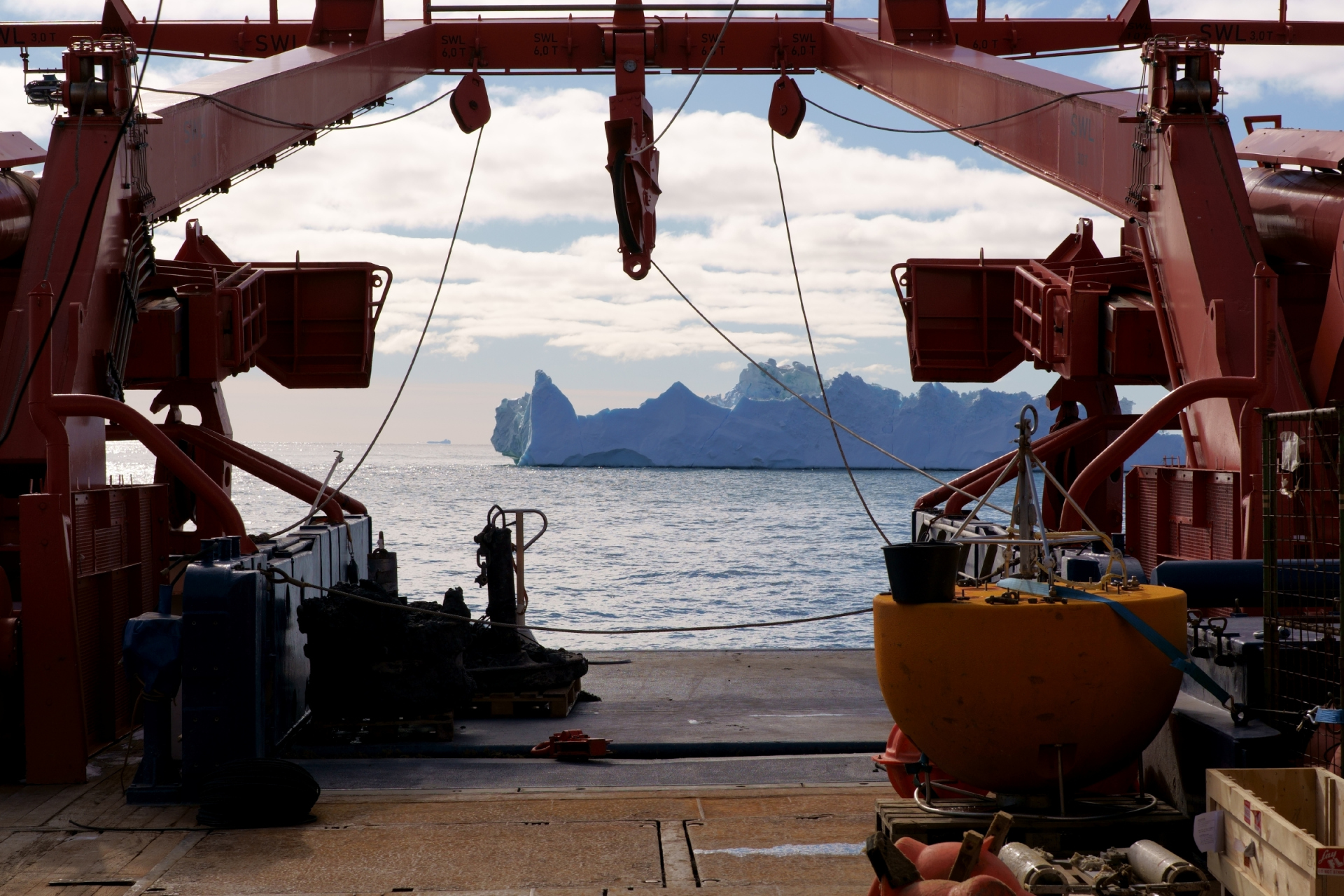
The southern Weddell Sea shelf is an important place for the formation of Antarctic bottom water. Because it is remote and difficult to reach, studying this region depends on specialised research vessels such as the icebreaker Polarstern, operated by the Alfred Wegener Institute, Helmholtz Centre for Polar and Marine Research (AWI).
A closer look at ocean carbon
Dissolved organic matter plays a crucial role in the global carbon cycle. It is released both during the production and breakdown of marine life and consists of tens of thousands of different compounds, some of which are rapidly consumed by microbes, whilst others can be very persistent. It represents the largest reservoir of organic carbon in the ocean. Understanding its transformation and transport through the environment is therefore essential for predicting how the ocean will respond to climate change.
An international team led by first author Dr Gonzalo V. Gomez-Saez analysed water samples collected during two Polarstern expeditions to the southern Weddell Sea, in 2016 and 2021. Gomez-Saez now leads an DFG Emmy Noether research group at Ludwig-Maximilians-Universität München. He previously worked at AWI withthe study's joint senior authors, Dr Moritz Holtappels of AWI and Prof. Dr Thorsten Dittmar of the Institute for Chemistry and Biology of the Marine Environment (ICBM) at the University of Oldenburg, who also leads the Marine Geochemistry Bridging Group of the ICBM and the Max Planck Institute for Marine Microbiology in Bremen.
To find out whether the carbon changed, the team used several complementary methods. ICBM has a particularly distinctive collection of advanced analytical instruments that allow researchers to examine the molecular make-up and structure of complex mixtures of organic matter in exceptional detail. State-of-the-art analytics at AWI’s MICADAS (Mini Carbon Dating System) facility helped the team determine the age of the carbon.
Why the missing fingerprint is surprising
The results were striking. Given the intense seasonal blooms of phytoplankton on the Antarctic continental shelf, scientists expected freshly produced “labile” (easy-to-degrade) organic matter to leave a clear molecular imprint on the water sinking into the abyss. Instead, the researchers found almost no detectable change in the amount or composition of the dissolved organic matter carried into the deep ocean. The processes taking place on the shelf had left no trace in this vast reservoir of carbon.
The key to this paradox lies in time. Dense waters remain on the Weddell Sea continental shelf for an unusually long period, between six and twelve years, during which they also circulate underneath the large Filchner–Ronne Ice Shelf. This extended stay in the ice shelf cavern gives microbes enough time to completely break down and “remineralize” any newly produced surface carbon into dissolved inorganic carbon before the water leaves the continental shelf.
“Our study reveals that the molecular properties of dissolved organic matter are conserved during deep-water formation in the southern Weddell Sea,” says Gonzalo Gomez-Saez. “Our findings highlight dissolved organic matter as a stable component of the regional Southern Ocean carbon cycle.”
“Dissolved organic matter is a huge and complex store of carbon in the ocean. By examining its molecules in detail, we can investigate how it changes as water moves through the Antarctic continental shelf,” says Prof. Dr Thorsten Dittmar.
Stability in a changing ocean
The findings suggest that this large store of carbon is remarkably insensitive to change as the water crosses the Antarctic continental shelf. “Global warming is now reaching the Antarctic shelf seas. If the large reservoir of dissolved organic matter is scarcely affected by processes on the shelf, this suggests that this carbon reservoir could remain largely unaffected by climate change in this region,” says Dr Moritz Holtappels, biogeochemist at AWI.
However, not all forms of ocean carbon necessarily behave in the same way. While dissolved organic carbon remains stable, other forms such as organic particles sinking to the seabed or dissolved inorganic carbon in seawater may respond more strongly to changes in temperature, sea ice cover and marine life.
Investigating a changing Antarctica
Researchers will continue to investigate how different forms of carbon respond to environmental change. One effort is Antarctica InSync, an international initiative bringing scientists together to study the rapidly changing Antarctic environment.
As part of this effort, oceanographer and study co-author Prof. Dr Alexander Haumann, also at AWI and LMU Munich, will co-lead a Polarstern expedition to the Weddell Sea in 2028. The team will investigate how carbon moves through the Southern Ocean during the Antarctic winter. These observations will help scientistsunderstand how climate change may affect the ocean's ability to transport and store carbon.
Original publication
Gonzalo V. Gomez-Saez, Sarah K. Bercovici, Marit Renken, Sahithya P. B. Vemulapalli, Andreas Rogge, Hendrik Grotheer, F. Alexander Haumann, Moritz Holtappels, Thorsten Dittmar: Conserved molecular properties of dissolved organic matter during Weddell Sea Deep Water formation, Nature Communications (2026). DOI: 10.1038/s41467-026-79040-4
Participating institutions
- Alfred Wegener Institute, Helmholtz Centre for Polar and Marine Research (AWI)
- Ludwig-Maximilians-Universität München
- Institute for Chemistry and Biology of the Marine Environment (ICBM) at the University of Oldenburg
- MARUM – Center for Marine Environmental Sciences at the University of Bremen
- University of Bremen's Institute of Environmental Physics
- Max Planck Institute for Marine Microbiology in Bremen
- National Oceanography Centre in Southampton, UK
Please direct your queries to:
Group leader
MPI for Marine Microbiology
Celsiusstr. 1
D-28359 Bremen
Germany
|
Phone: |
|
|
Fax: |
+49 441 798-3358 |
Head of Press & Communications
MPI for Marine Microbiology
Celsiusstr. 1
D-28359 Bremen
Germany
|
Room: |
1345 |
|
Phone: |
