- Press Office
- Press releases
- From Ocean to Gut
From Ocean to Gut: The Bacteria that Shape Both Human Health and Marine Carbon Cycling
Our gut is colonized by legions of bacteria, which supply us with essential nutrients and support our health. Among them are Akkermansia bacteria, which might be helpful in the management of conditions like obesity and diabetes.
A group of researchers from the Max Planck Institute for Marine Microbiology in Bremen, Germany, now discovered that these bacteria are not unique to our guts, but can also be found in the ocean. In both habitats they use similar skills to ensure their survival and success. They seem to carry an old and widespread survival toolkit.
Secrets hidden in the genomes
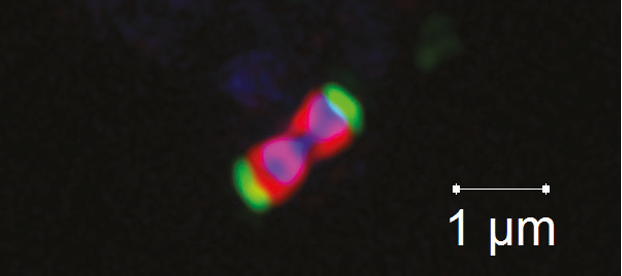
“We asked ourselves: Aren’t the traits that make these bacteria so successful in our gut – in particular how they feed on sugars – also useful in other environments?”, says Group Leader Luis Humberto Orellana Retamal (Coto) from the Max Planck Institute in Bremen. To find out if and where Akkermansiaceae bacteria live worldwide, the scientists searched nearly 250,000 datasets of DNA from different environments. And indeed: In animal guts, oceans, lakes and rivers they discovered members of the group were widespread.
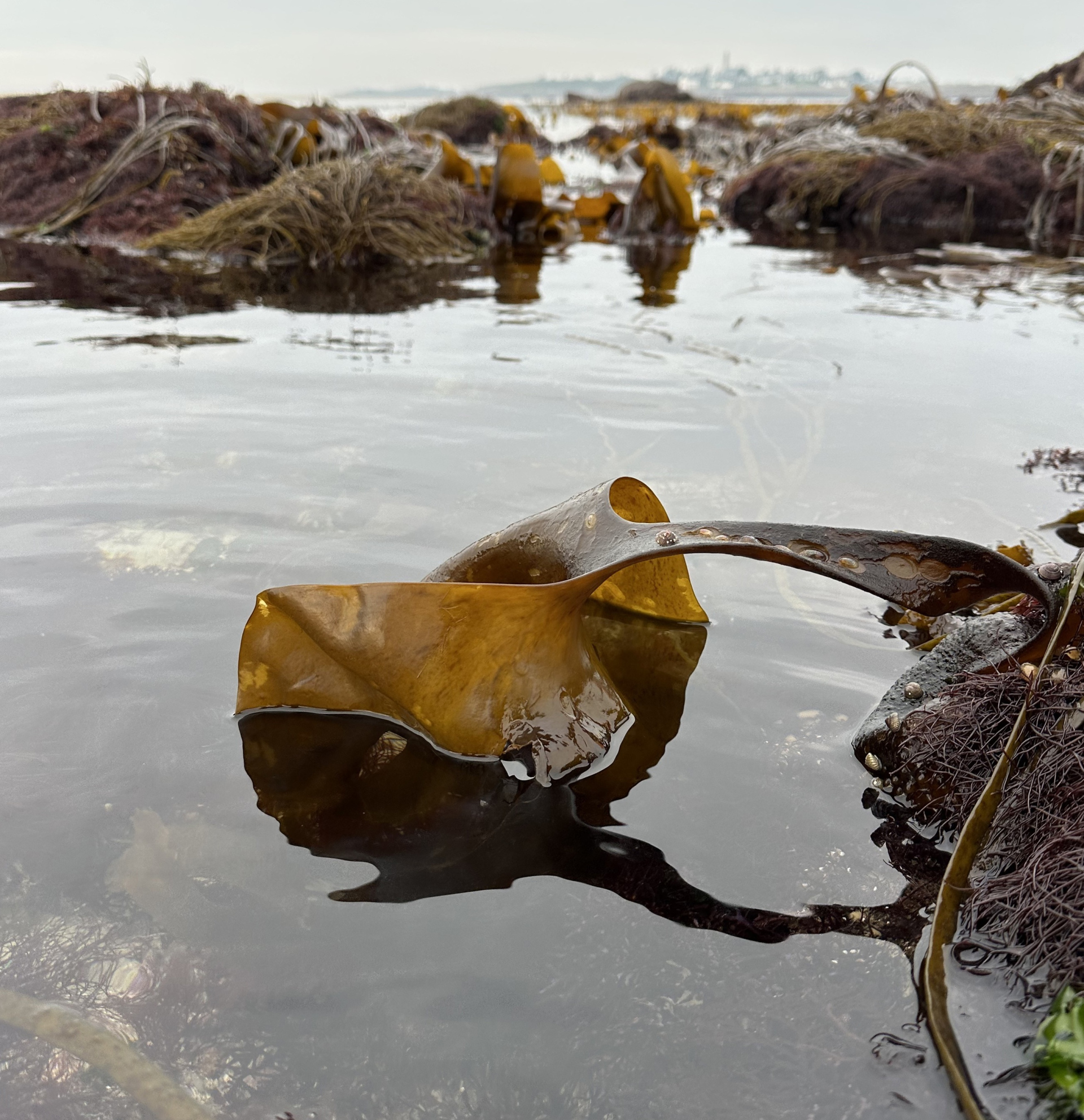
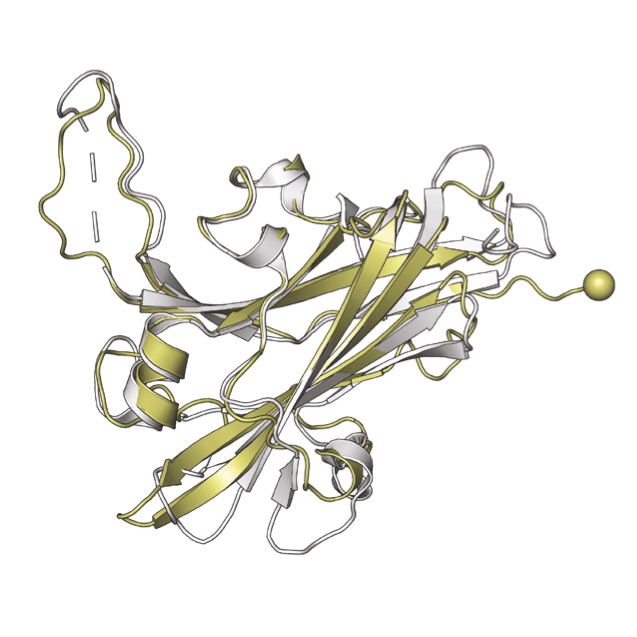
The team then analyzed their genetic blueprint, the so-called genome, and looked for key proteins required to break down the sugars. “We found an astonishing similarity between Akkermansia bacteria in our gut and in the ocean”, says Coto. “In the ocean, these bacteria break down fucoidan, a sugar released by seaweed. In the gut, they concentrate on mucin, a complex sugar-coated protein gel that lines our intestine walls. Fucoidan and mucin are chemically similar. The scientists discovered that the bacteria breaking them down use the same core molecular machinery to get the job done, even though they inhabit completely different homes.
A shared, ancient strategy ensures success across environments
The ecological success of Akkermansia bacteria across environments as different as the human gut and the open ocean is built on a shared, ancient strategy: They attach to complex sugars, take them up, and break them down inside the cell. What differs between environments is not the core machinery, but the specific proteins that fine-tune it to the local food source. Most probably, Akkermansia muciniphila, the human gut inhabitant, evolved from an aquatic ancestor already equipped to handle chemically similar sugars. It is a specialization rather than a completely new evolutionary invention. “This similarity suggests that these bacteria did not reinvent themselves when first colonizing the gut, but instead likely adapted an existing toolkit that was already in place”, Coto explains.
A therapeutically and ecologically relevant trait
Akkermansia muciniphila is among the most studied candidates in gut microbiome research with potential links to metabolic health. A better understanding of the molecular toolkit of Akkermansia could contribute to ongoing efforts to explore microbiome-based approaches for conditions like obesity, diabetes, and gut inflammation.
But the results now at hand are also of ecological importance: They reveal that these bacteria play an important and previously overlooked role in the ocean by breaking down fucoidan, a recalcitrant carbon-rich seaweed sugar. That makes them relevant players in the ocean's carbon cycle.
“Our results lie at the intersection of two major areas of societal concern: human health and the environment,” Coto points out. „Concerning health, they support the development of microbiome-based therapies. Concerning the environment, they show us how marine bacteria process carbon, which helps predicting how ocean ecosystems will respond to climate change.” This study also illustrates the broader point that fundamental discoveries can emerge from unexpected places. “The ocean, for example, can provide surprising insights into what happens in our own gut”, he concludes.
Original publication
Isabella Wilkie, Nicole Von Possel, Tomás Sauma-Sánchez, Greta Reintjes, and Luis H. Orellana (2026): Conserved glycan-utilization strategies shape Akkermansiaceae success across aquatic and gut ecosystems. The ISME Journal (22. April 2026)
Participating institutions
- Ecological Genomics Group, Max Planck Institute for Marine Microbiology, Bremen, Germany
- Microbial-Carbohydrate Interactions Group, Faculty of Biology/Chemistry, University of Bremen, Bremen, Germany
Please direct your queries to:
Group Leader
ERC Research Group for Ecological Genomics
Luis Humberto Orellana Retamal
MPI for Marine Microbiology
Celsiusstr. 1
D-28359 Bremen
Germany
|
Room: |
2226 |
|
Phone: |

Head of Press & Communications
MPI for Marine Microbiology
Celsiusstr. 1
D-28359 Bremen
Germany
|
Room: |
1345 |
|
Phone: |
